Essentials
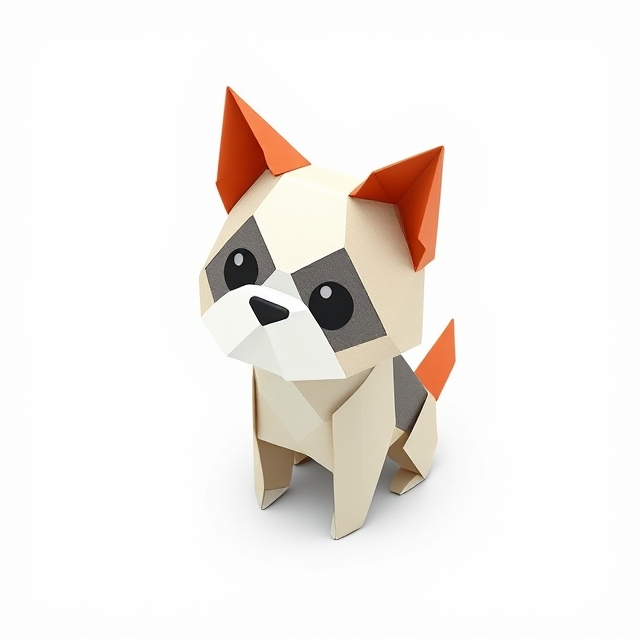
Origami, the Japanese art of paper folding, is a fascinating and creative practice that requires only a few basic essentials to get started.
The first essential is paper, which comes in a wide variety of sizes, colors, and textures. For beginners, it’s best to use square sheets, as most origami models are designed around this shape. Standard origami paper, known as kami, is thin, lightweight, and typically comes in 6x6 inch or 15x15 cm squares. However, you can experiment with other types of paper, such as recycled paper or even larger sheets for more intricate designs. The quality of the paper matters too; thinner paper folds more easily, while thicker paper provides more structure but may be harder to manipulate.
Another key essential is precise folding. Accuracy is crucial in origami, as each fold lays the foundation for the next. Clean, sharp creases ensure that the paper holds its shape and that the model turns out as intended. Many origami artists use a bone folder or another tool, such as a pencil or ruler, to help create crisp folds, especially for more complex projects. This tool helps you achieve precision and neatness, particularly when working with thicker paper. Additionally, paying attention to the direction of the fold is important, as some models require specific folds to be made in certain directions for the piece to align correctly.
The third essential for origami is patience and practice. While the concept of folding paper to create art may seem simple, many origami models are intricate and require multiple steps. It’s important to take your time with each fold, following the instructions carefully and double-checking your work. As with any art form, practice is key to mastering origami. Starting with simple models and gradually moving on to more complex designs will help you improve your technique and gain a deeper understanding of the art.
Lastly, understanding the basic folds is essential for learning origami. There are a few fundamental folds that serve as the building blocks for most origami models, such as the valley fold, mountain fold, squash fold, and petal fold. Once you become comfortable with these basic folds, you’ll be able to tackle a wide range of origami projects, from simple cranes to intricate modular designs.
With these essentials in hand – paper, precision, patience, and a basic knowledge of folds – anyone can enjoy the satisfying and meditative process of origami.